
Nullam dignissim, ante scelerisque the is euismod fermentum odio sem semper the is erat, a feugiat leo urna eget eros. Duis Aenean a imperdiet risus.
Nullam dignissim, ante scelerisque the is euismod fermentum odio sem semper the is erat, a feugiat leo urna eget eros. Duis Aenean a imperdiet risus.

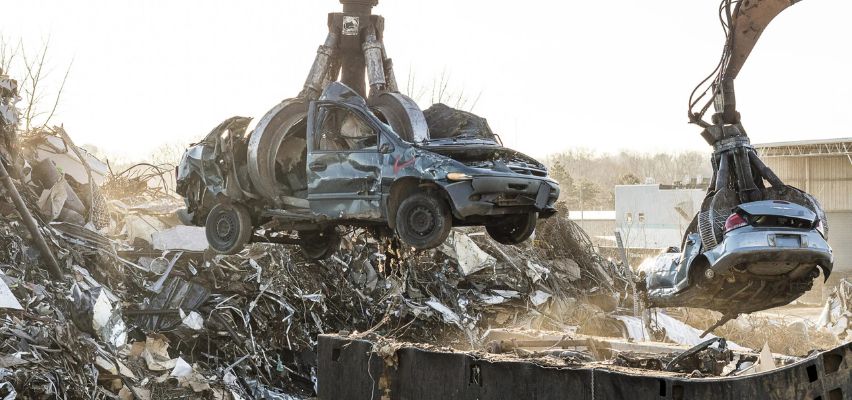
Historically, dismantling end-of-life vehicles involved significant manual labor. Skilled workers manually removed engines, batteries, wiring harnesses, and reusable components—a process that was time-consuming, prone to inconsistencies, and often exposed workers to hazardous materials. With the advent of AI, dismantling is becoming faster, safer, and more accurate. Machine learning algorithms, coupled with computer vision systems, enable robotic arms to identify and extract key vehicle components systematically. These systems can recognize parts such as catalytic converters, electric vehicle batteries, and airbags with high precision, ensuring that valuable materials are recovered without damage.
After dismantling, vehicles generate complex waste streams consisting of metals, plastics, glass, and composite materials. Traditional separation methods magnets for ferrous metals or density based techniques are no longer adequate to handle the scale and complexity of modern vehicles. AI-driven automated sorting is bridging this gap. Equipped with advanced computer vision, hyperspectral imaging, and sensor fusion technologies, automated systems can classify and separate materials in real time. For example, near-infrared sensors can differentiate between plastic polymers, while X-ray fluorescence (XRF) identifies valuable metals like copper or rare-earth elements used in EV motors. Robotic sorting arms, powered by AI, can pick and segregate materials at speeds rivaling or surpassing human workers. These systems ensure consistent quality, reduce contamination, and enable facilities to recover a higher percentage of recyclable materials. Predictive analytics further enhance operations by monitoring equipment performance and anticipating maintenance needs, minimizing costly downtime.
Beyond physical dismantling and sorting, AI contributes to decision making through advanced data analytics. By analyzing real time operational data, recycling facilities can identify inefficiencies, track material flows, and forecast recovery rates. This data driven approach ensures that facilities remain compliant with environmental regulations while maximizing profitability. Looking ahead, the integration of AI with blockchain technologies may enable end to end traceability of recovered materials, strengthening supply chain transparency. Autonomous “smart recycling plants for vehicles where AI manages intake, dismantling, sorting, and logistics are gradually becoming a reality.

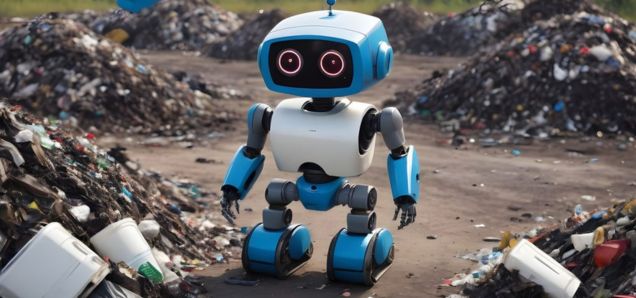
AI is not merely enhancing traditional vehicle scrapping; it is redefining it. From intelligent dismantling of components to automated material sorting, AI powered systems are making recycling safer, faster, and more sustainable. By recovering valuable resources efficiently and reducing environmental impact, these technologies are paving the way for a greener tomorrow and helping the automotive industry align with circular economy principles.